Garage Door Maintenance and Tune-Ups in New Hampshire
Scheduling Option:
Ask about same-day availability during our posted hours, 8:00 a.m.–6:00 p.m.,
Monday–Sunday.
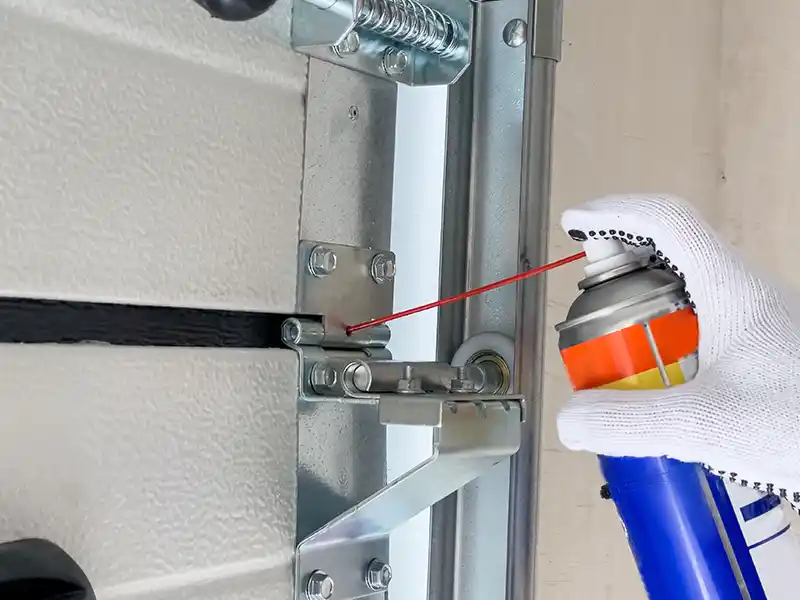
Routine use can gradually reveal loose hardware, worn rollers, aging seals, or an opener working against a developing door problem. Garage Pros provides residential maintenance and tune-ups across Southern New Hampshire to identify concerns and help homeowners plan appropriate repairs before an existing problem becomes more disruptive.
What a Garage Door Tune-Up Does
Maintenance is a structured inspection and service visit for a door that is still operating and does not show an immediate major hazard. The purpose is to review the system as a whole, address appropriate routine items, identify wear, and explain which findings should be monitored or repaired.
A tune-up is not a promise that every component will last for a particular period. Garage doors combine moving hardware, a counterbalance system, panels, tracks, seals, and often an automatic opener. Their condition depends on use, installation, environment, previous repairs, and the current state of each component.
Garage Pros approaches maintenance as decision support as much as mechanical service. We distinguish routine attention from repair needs and safety issues. If the inspection finds a damaged spring, cable, drum, track, or another failure, we explain why the scope has changed and connect the homeowner with the appropriate garage door repair.
Signs Your Garage Door May Need Maintenance
Routine service is worth considering when the door still works but feels or sounds different. Common signs include:
- New squeaks, rattles, vibration, or uneven movement.
- A door that moves more slowly or hesitates at a repeatable point.
- Rollers that appear worn or do not travel smoothly.
- Loose-looking hinges, brackets, or other fasteners.
- Gaps or visible wear around the bottom or perimeter seals.
- An opener that sounds strained even though it still moves the door.
- A safety sensor that is easy to knock out of position.
- No recent professional inspection, especially on a frequently used door.
Maintenance is not the right first step when the door is already in a hazardous condition. For a broken spring, damaged or frayed cable, damaged drum, crooked door, or a door that feels unusually heavy or unbalanced: Stop using the door. Do not run it again to demonstrate the symptom. Request the relevant repair instead.
Maintenance Options and What Is Included
The exact tune-up scope depends on the door, opener, accessibility, and findings. A Garage Pros maintenance visit may include:
- A visual review of the door, tracks, rollers, hinges, brackets, cables, springs, drums, and attachment points.
- Observation of door travel when the system is safe to operate.
- A check for visible wear, looseness, misalignment, binding, and unusual noise.
- Appropriate tightening of accessible non-tension hardware.
- Lubrication of suitable moving points with an appropriate product, where applicable.
- Review of perimeter and bottom seal condition.
- Opener mounting, control, and safety-sensor observations.
- Safety-reversal and function checks when conditions allow and the procedure fits the equipment.
- A clear explanation of routine items completed, repair findings, and priorities.
Tension-system adjustments are not a homeowner add-on. Springs, cables, and drums store or control substantial force and require the right service scope. Springs, cables, drums, and related tension hardware require professional assessment. If those components need attention, we recommend spring repair or another defined repair.
Our Garage Door Maintenance Process
The visit begins with a conversation about changes in sound, movement, use, and previous service. A homeowner’s observation that the noise occurs only during closing or after cold nights can help narrow the inspection.
Before cycling the door, we look for visible conditions that could make operation unsafe. If a serious mechanical hazard is present, we stop the tune-up sequence and explain the repair need. If it is safe to proceed, we observe the door and opener together, inspect accessible components, and complete appropriate maintenance items.
We then separate findings into practical categories: routine service completed, items to monitor, repairs worth scheduling, and conditions that should not wait. This avoids treating every sign of wear as an emergency while still giving safety-critical concerns the direct response they require.
At the end, we review the work and answer questions about normal operation. If a related repair is approved, its scope should be clear rather than hidden inside a vague tune-up label.
When Maintenance Is the Right Fit
A tune-up is a good fit for a working door that needs a condition review, has developed minor noise, or receives frequent household use. It is also useful before a season of heavier use or when a homeowner wants to understand the system’s current condition without waiting for a failure.
Maintenance is not a substitute for repair. A door that is off track, crooked, jammed, unusually heavy, or supported by a visibly damaged spring or cable needs a repair assessment. Likewise, an opener with an electrical or internal control failure may require dedicated garage door opener service.
Homeowners can safely keep the doorway clear, watch and listen from a distance, clean around the sensor area without moving wiring or brackets, and consult the exact owner’s manual for approved care. Do not loosen spring hardware, cable fasteners, drums, bottom brackets, or other tension-related parts. Logic-board diagnosis and hardwired electrical work are also not DIY. The stakes include electric shock, fire, damaged controls, and unexpected door movement.
Why Choose Garage Pros
Homeowners deserve a service experience that stays clear from the first question through the final decision. These four commitments guide how Garage Pros approaches every residential service call.
Clear Communication
We explain what we find, what matters now, and what can wait.
Practical Recommendations
We match the service plan to your door, priorities, and actual needs.
Consistent Service
We keep scheduling, expectations, and next steps clear from start to finish.
Honest Pricing
We outline the work clearly so you can make an informed decision.
Maintenance for Southern New Hampshire Homes
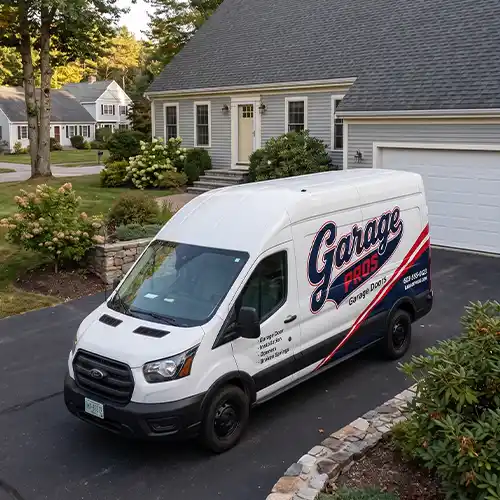
Garage Pros provides service in Manchester, Nashua, Concord, Bedford, Merrimack, Londonderry, Goffstown, Windham, Salem, Derry, and Amherst, New Hampshire. Garage Pros is a mobile service-area business that travels to homeowners across Southern New Hampshire.
Seasonal changes can make existing wear more noticeable, but a tune-up should be based on what the door is actually doing. A seal gap, a rough roller, a loose component, and an opener issue require different responses. We inspect first rather than assuming that every seasonal noise has the same cause.
For homeowners managing several garage door needs at once, maintenance can also support planning. An inspection may help distinguish a small service item from a larger repair or a door nearing the point where installation and replacement deserves consideration. Browse all residential garage door services to see the available paths.
Garage Door Maintenance Cost Factors
The cost of a maintenance or tune-up visit depends on the system and the approved scope. Factors can include:
- The number, size, and configuration of the doors.
- The accessibility and current condition of the hardware.
- The presence and type of automatic opener.
- The amount of routine service appropriate during the visit.
- Whether worn or damaged parts require a separate repair scope.
- Whether the door can be operated safely for functional checks.
- The location and scheduling needs within the service area.
A price is not useful if it leaves the homeowner unsure what the visit includes. Garage Pros defines the maintenance scope, explains repair findings separately, and bases the project conversation on the actual system.
Garage Door Maintenance Frequently Asked Questions
How Often Should a Garage Door Be Inspected?
Condition and use matter, and the exact owner’s manual should guide product-specific care. The U.S. Consumer Product Safety Commission advises homeowners to inspect the door and opener every 30 days to confirm they are working properly. A homeowner visual check does not replace professional service when movement, balance, hardware, or safety behavior is in question.
Can I Lubricate My Garage Door Myself?
Follow the exact manufacturer instructions for your door and opener. Products and lubrication points vary, and applying the wrong material in the wrong place can create a mess without solving the cause. Never loosen or adjust springs, cables, drums, bottom brackets, or tension hardware as part of lubrication.
Is a Noisy Garage Door Always a Major Repair?
No. Noise may come from routine wear or a serviceable component, but it can also signal binding, damaged hardware, or an opener working against a poor door condition. An inspection is the useful next step when the sound is new, worsening, or paired with uneven movement.
Can You Maintain the Opener During the Same Visit?
We can observe opener operation, mounting, controls, sensors, and its interaction with the door as part of the agreed maintenance scope. A failed internal component, electrical issue, or replacement project may require a separate opener service scope.
What If the Door Looks Crooked or Feels Heavy?
Stop using the door. Do not pull the emergency release, attempt a balance test, or operate it again. A crooked, heavy, or unbalanced door can involve springs, cables, drums, tracks, or other mechanical problems that require repair.
Can I Ask About Same-Day Tune-Up Availability?
Yes. Customers can ask about same-day availability during our posted hours, 8:00 a.m.–6:00 p.m., Monday–Sunday. Scheduling depends on the day’s route and service needs.
Request Garage Door Maintenance
If your garage door still operates but has become noisier, rougher, or less predictable, a maintenance visit can provide a clearer picture before the problem grows. Request garage door service and tell Garage Pros what has changed. You may also ask about same-day availability during posted hours. We serve homeowners across Southern New Hampshire with practical tune-ups, honest repair guidance, and professional communication.
Call Garage Pros at (603) 520-0723 and ask about same-day availability during our 8:00 a.m.–6:00 p.m. hours, Monday through Sunday, or schedule an estimate online.